

Anodizing
Anodizing
Introduction to Anodizing
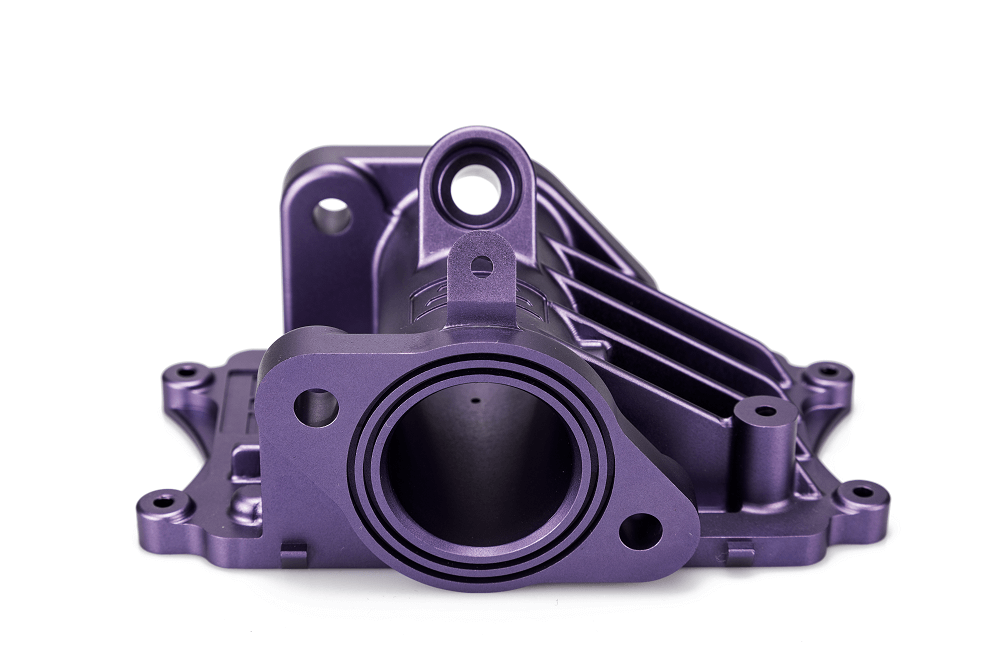
Anodizing is a surface treatment process that uses electrochemistry to form a layer of Al2O3 (aluminum oxide) film on the surface of aluminum and aluminum alloy. Through anodic oxidation, the surface state and performance of the material can be changed, thus improving corrosion resistance, enhancing wear resistance and hardness, and protecting the metal surface.
Non-ferrous metals or their alloys (such as aluminum, magnesium and their alloys) can be anodized. This method is widely used in mechanical parts, aircraft and automobile parts, precision instruments and radio equipment, daily necessities and architectural decoration.
Types of Anodizing
Type II Anodizing | Type III Anodizing | |
Materials | Aluminum | Aluminum |
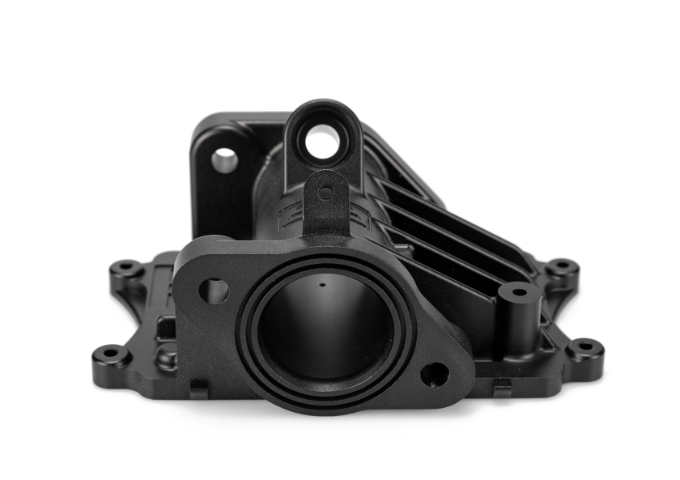
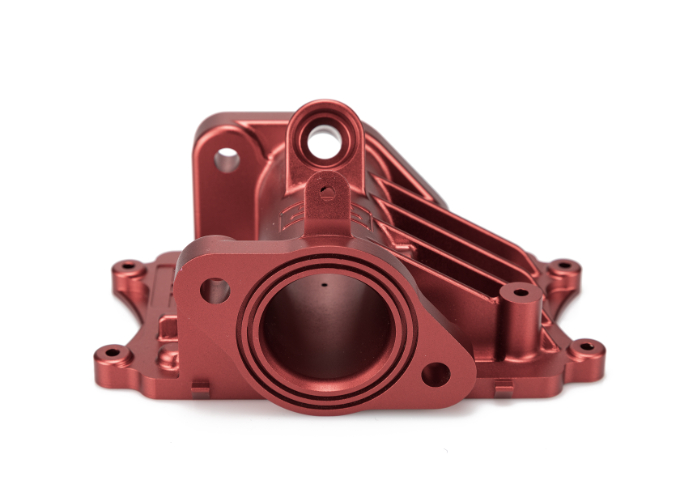
Color | Clear, black, blue, gold, grey, red, etc. | Clear, black |
Texture | Smooth, matte finish. | Smooth, matte finish. |
| Thickness | 1.8 μm to 25 μm (0.00007″) | > 0.001″ |
Applications | Consumer goods, aircraft components, architectural parts, kitchenware | Parts subject to high and low temperatures, chemical exposure, or wear |
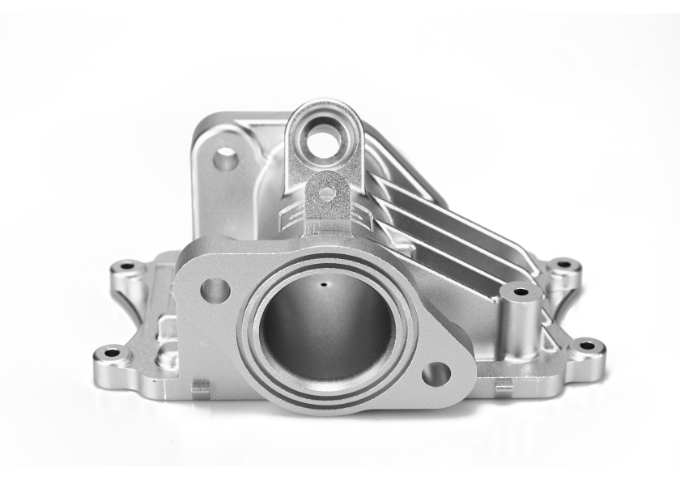
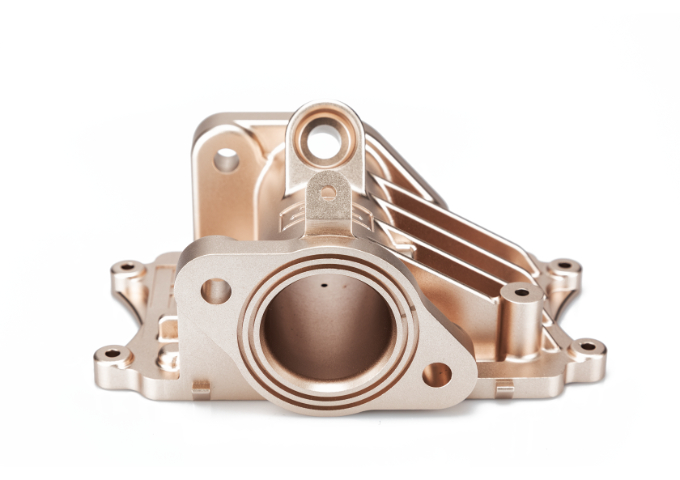
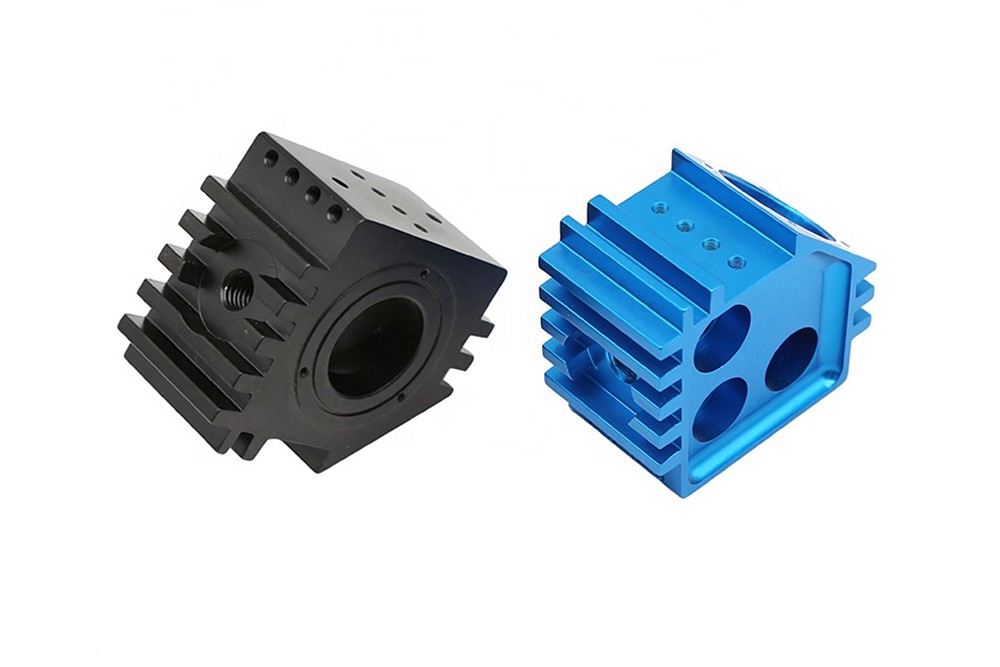
Surfaces Finishes Gallery
Design Considerations
- Anodizing has insulative properties, so anodized parts have poor electrical conductivity.
- All edges and corners on the workpiece should be rounded with a radius of no less than 0.5 mm, and no burrs are allowed. This prevents local overheating and burning of the workpiece caused by current concentration.
- Workpieces with rough surfaces can become smoother after hard anodic oxidation treatment. However, workpieces already possessing an extremely smooth finish will lose some smoothness.
- In the process of hard anodizing, the workpiece must bear high voltage and current. Special fixtures must, therefore, be designed to keep the workpiece in good conductive contact. It will otherwise break down or burn the contact parts of the workpiece.
CONTACT
Christin Jiang
E-mail: christin@mxptech.cn
3rd Floor, Building 2, Songhu Industrial Park (New Silicon Valley), No. 29 Baobai Road, Dongkeng Town, Dongguan, Guangdong Province 523000, China.

+86 135 3707 0985


QUICK LINKS
SERVICES
SUBSCRIBE
Get latest updates and offers.